When the rules of the race change, it is the most prepared teams who have the advantage. So too for businesses when regulatory changes loom.

Employees are the fuel of any organisation, they need to function at their best to enhance future performance.
Finance is the engine oil of any business and preparing your business to raise capital could be critical to keeping you on the road to recovery.
Knowing where, when and how to overtake your competitors requires planning and a thorough understanding of their strengths and weaknesses.
In times of extreme economic challenge, don’t just power through the crisis, pause for a pit stop to retune your business for the twists and turns on the road ahead.
Organisations that can quickly adapt to changing conditions will find themselves in pole position for the course ahead.
As the world faces its biggest healthcare challenge in more than a generation, the social impacts of the coronavirus (COVID-19) will be fast and prolonged.
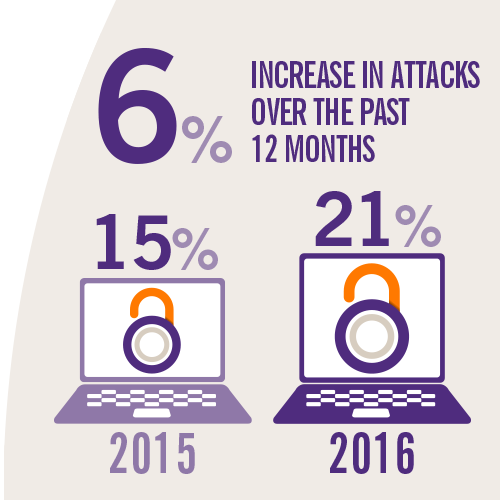
Our IBR research found business are laser focusing on mitigating data privacy risk at the expense of combating cyber security threats.
The Corporate governance report 2017 provides practical recommendations for boards to consider when working with leadership teams in order to successfully develop a strong corporate culture.
How do today’s leaders ensure that their businesses can anticipate and overcome cyber risk?
A lack of awareness is fuelling the surge in cyber crime but there are pragmatic steps that organisations can take.
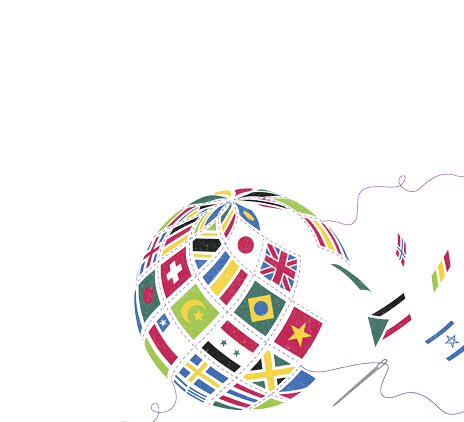
Across a number of countries, the way internationally mobile employees are taxed is being shaken-up. This follows the G20/OECD-led Base Erosion and Profit Shifting (BEPS) Action Plan recommendations set out earlier this year.
Whilst corporate tax avoidance continues to grab headlines, some of the biggest reforms are in fact occurring within indirect tax.
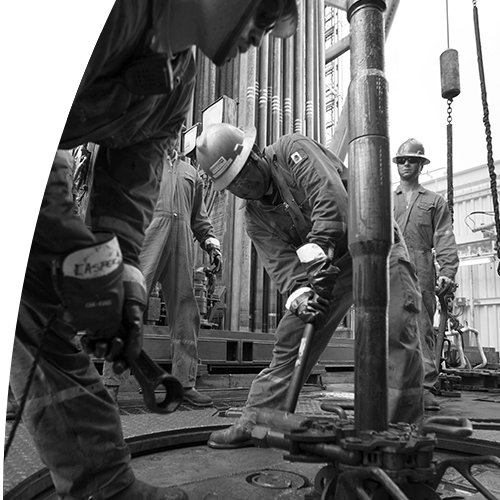
The slump in oil prices has its winners and losers. Jim Menzies, global leader for the food and beverage sector at Grant Thornton, says the outlook is good for food and beverage companies. While Linda Beal global leader for the oil and gas sector at Grant Thornton, says, oil and gas companies are facing significant challenges.
Although some see International Financial Reporting Standards (IFRS) as a regulatory burden, the evidence suggests that global standards actually oil and accelerate the wheels of global economic growth. Andrew Watchman explains.
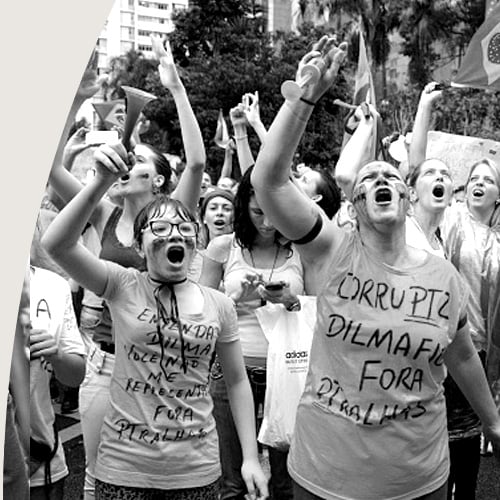
At the G20 summit in Australia last November, global leaders reaffirmed a commitment they made in 2010 to tackle the negative impact of corruption on economic growth, trade and development. In this roundtable debate, Grant Thornton partners from Brazil, India and South Africa discuss how businesses can behave in an ethical manner and thrive, in spite of corrupt practices.