If one word defines today’s new and unfamiliar tax landscape it would most likely be ‘transparency’. How will your business steer through the risks of total tax transparency?

New technology can free up tax professionals to take on a strategically influential role and generate the analytical insights. So how can your tax function take advantage of the changes ahead?
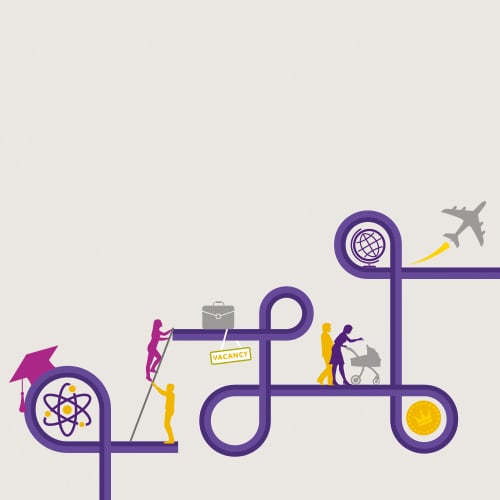
Across a number of countries, the way internationally mobile employees are taxed is being shaken-up. This follows the G20/OECD-led Base Erosion and Profit Shifting (BEPS) Action Plan recommendations set out earlier this year.
The ASEAN trade bloc is a growing force in the world economy and its increasing influence brings with it prime investment opportunities for businesses both inside and outside the region, not least through a stand-out e-health sector.
Blockchain has been seized upon by the financial services sector, where it is playing a crucial role in tracking and authenticating transactions.
Guests are less loyal and more demanding than ever before. They use online travel agents (OTAs) and aggregators to find the best hotels and deals – which helps operators fill their rooms, but at a cost.
The gender diversity issue has been on the business agenda for many years now, yet a third of businesses still have no women at a senior management level. Somewhere there is a disconnect.
Whilst corporate tax avoidance continues to grab headlines, some of the biggest reforms are in fact occurring within indirect tax.
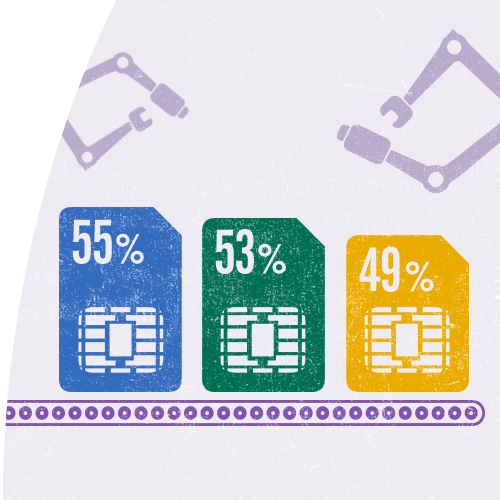
Rising labour costs and the quest for productivity are driving businesses to automate. Finding new roles for redundant workers will be the next challenge.
There are a number of cost and commercial reasons why a group may consider relocating, but it is also important to understand the consequences.