I was interviewed last week by CNBC and BBC World News[1] to discuss our Q3 International Business Report (IBR) results. The big surprise was that business optimism in the UK more than doubled over the past quarter.
The Chinese economy is slowing. The days of rampant, double-digit expansion are in the past as we move away from massive investment and export dependency towards a more sustainable, consumption-driven model of growth. This rebalancing offers both challenges and opportunities for dynamic organisations. How these businesses adapt to the changing environment will be key to their growth prospects.
There was some great news for Chile in the latest edition of the Grant Thornton Global Dynamism Index (GDI): we ranked second out of 60 economies, behind only Australia.
This guide includes practical guidance on the detection of intangible assets in a business combination and also discusses the most common methods used in practice to estimate their fair value. It provides examples of intangible assets commonly found in business combinations and explains how they might be valued.
Global tax newsletter is designed to keep you up to date with significant tax developments around the world that impact businesses with cross-border operations. It addresses issues of a global nature as well as domestic tax developments of interest to foreign investors. The newsletter aims to cover tax developments on a regional and international basis.
The food and beverage industry is poised for growth around the globe. After years of uncertainty, retrenchment and delayed investments, industry executives are once again looking to invest in new products, new capacity, new distribution channels and new markets. Even in countries still shaking off the recession, executives expect growth and plan to capture market share at home and abroad.
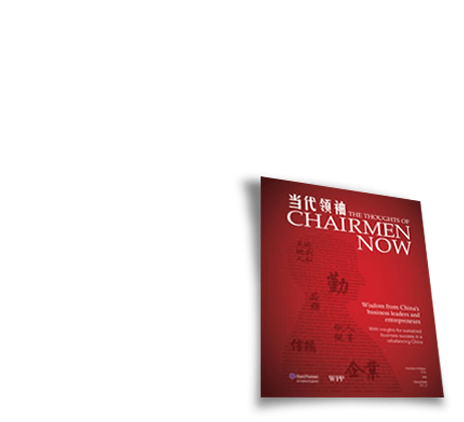
John Geldart has spent a lot of time in China over recent years. It is an amazing country which fascinates and surprises him every time he returns, but perhaps no more so than over the past few months when he has been lucky enough to interview the chairmen of some of its most dynamic companies.
Fraud is endemic in the construction industry. So much so that in many parts of the world it is seen merely as a ‘cost of doing business’. But this does not have to be the case. In a report released this week, ‘Time for a new direction – Fighting fraud in Construction’, we recommend a number of concrete steps companies can take to avoid becoming victims of fraud.
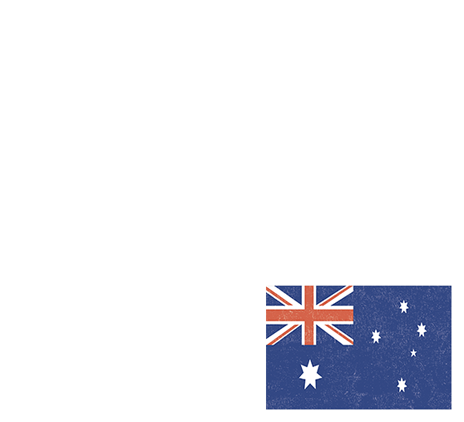
According to our Global Dynamism Index (GDI) 2013, Australia is the economy businesses should be looking at. It climbed to the top of the ranking of 60 of the largest economies in the world this year, up from seventh place in 2012.
Last month I chaired a panel of leading figures from the Private Equity (PE) sector to launch our 2013/14 Global Private Equity report: ‘A time of challenge & opportunity’.
Welcome to the fourth edition of Transfer Pricing News. This provides updates on transfer pricing developments from a number of countries across the globe – a necessity in the global economy we all now inhabit.
Is there light at the end of the tunnel for the food and beverage sector? Certainly our new report on the health of the sector – ‘Hunger for growth: Food and Beverage looks to the future‘ – suggests so.
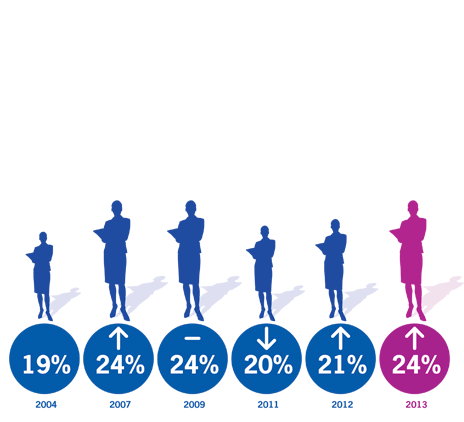
Our International Business Report with insights gained from in-depth interviews with five senior female executives from around the world, this report looks at the role of education in improving female participation and how this can help boost business growth.
The economy of France continues to suffer as the eurozone crisis continues. Following a deep contraction in 2009, the economy recovered robustly, posting seven consecutive quarters of expansion. However, France has stagnated over the past two years as problems in southern Europe intensified, with growth slowing as unemployment and government debt rise.
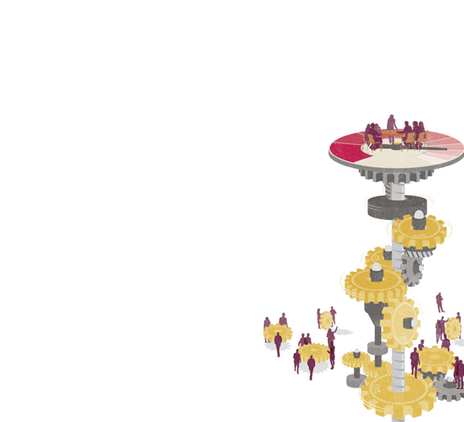
Private equity firms around the world are adapting to a 'new fundraising road map', according to the Grant Thornton Global Private Equity Report 2013/14.
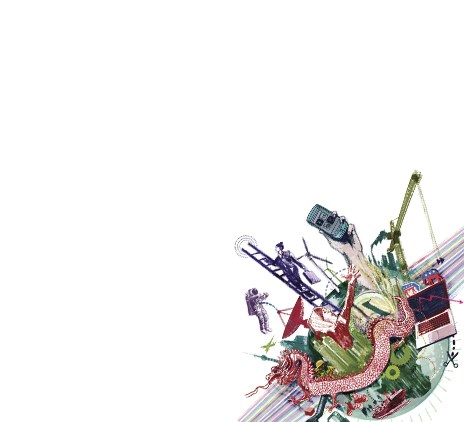
Presidential elections in some of the world’s largest economies, the sovereign debt crisis and the US fiscal cliff have all contributed to a global sense of economic uncertainty. How are major and developing markets faring in the face of these developments and what does the year ahead have in store?